
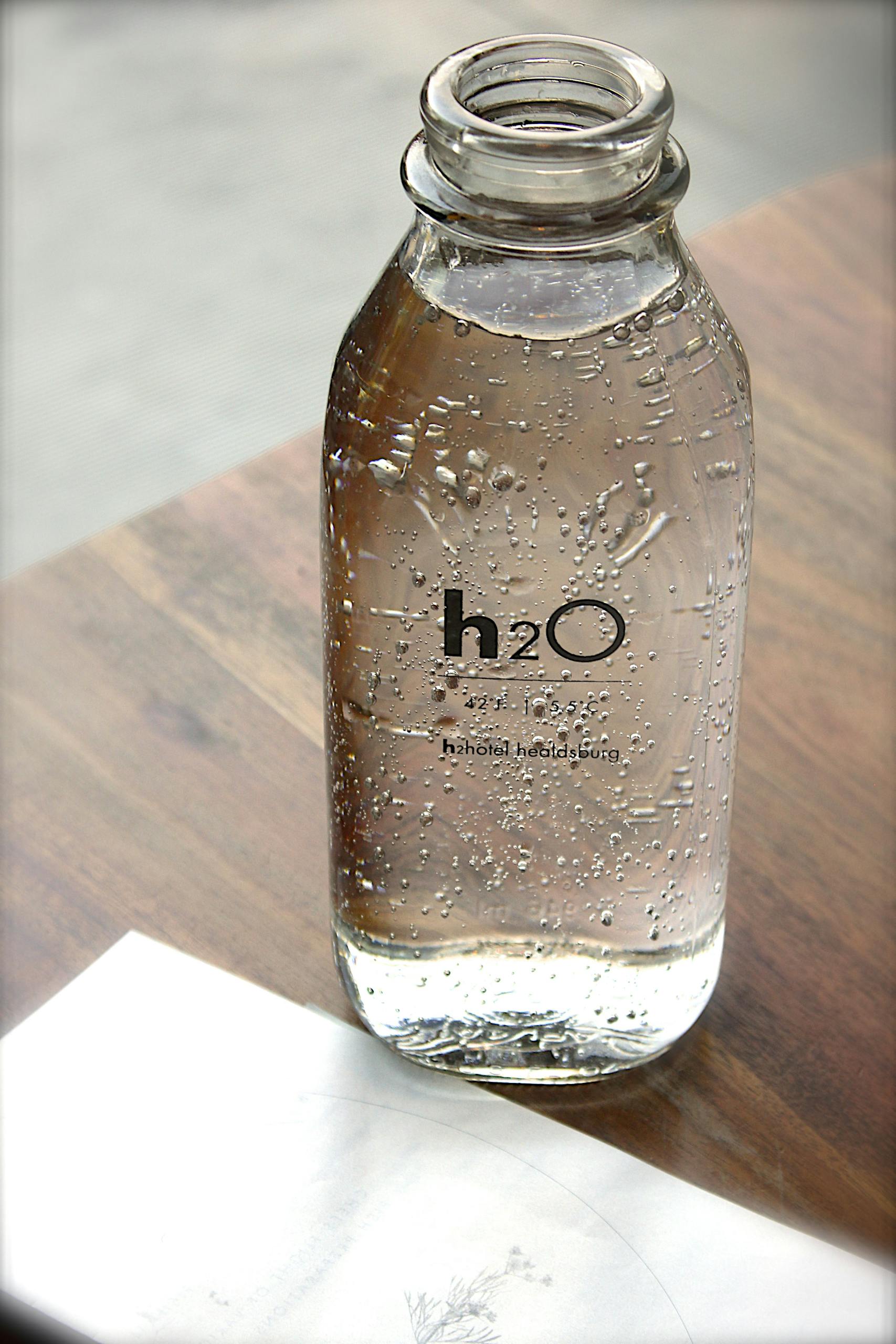
Many people focus on drinking more water to stay hydrated. While water is essential, hydration inside the body is more complex than simply how much you drink. In certain situations, water alone may not fully support how your body manages fluids.
This is where electrolytes come in.
Electrolytes are often misunderstood, over-marketed, or associated only with sports drinks. In reality, they play a quiet but important role in how hydration works every day. Understanding what electrolytes are — and when they matter — can help you make more informed choices about your hydration habits.
What Are Electrolytes?
Electrolytes are minerals in the body that carry an electrical charge when dissolved in fluids. These charged particles help regulate many basic processes that keep the body functioning normally.
Some of their key roles include:
- Maintaining fluid balance inside and outside cells
- Supporting muscle movement
- Helping nerves send signals
- Assisting with heart rhythm and circulation
The most commonly discussed electrolytes include:
- Sodium
- Potassium
- Magnesium
- Calcium
These minerals are naturally present in the body and must stay within a balanced range to function properly.
Why Water Alone Sometimes Isn’t Enough
Water moves through the body using electrolytes as part of the transport system. When electrolyte levels drop, water may not be absorbed or retained as efficiently.
Certain situations increase electrolyte loss or demand, including:
- Heavy sweating
- Hot or humid weather
- Physical exertion
- Illness involving vomiting or diarrhea
- Ongoing stress
- Aging, which can affect thirst and fluid regulation
In these cases, drinking water alone may not fully replace what the body has lost. This does not mean water is ineffective — it means hydration depends on more than fluid intake alone.
Signs You May Be Low on Electrolytes
Electrolyte imbalance does not always feel dramatic. Symptoms can be subtle and are often mistaken for general fatigue or dehydration.
Some common signs people notice include:
- Ongoing tiredness despite drinking water
- Muscle cramps or weakness
- Headaches
- Lightheadedness or dizziness
- Feeling “off” or drained
These signs are not diagnostic and can have many causes. However, they often appear when fluid and mineral balance is disrupted.
Natural Sources of Electrolytes
Electrolytes are not something the body gets only from drinks or supplements. Many whole foods naturally contain the minerals needed to support hydration.
Examples include:
- Fruits such as bananas, oranges, and avocados
- Vegetables, especially leafy greens
- Broths and soups
- Dairy products or fortified alternatives
- Whole, minimally processed foods
For many people, a balanced diet combined with adequate water intake provides sufficient electrolytes for daily needs.
When Electrolyte Drinks May Help
Electrolyte-containing drinks can be useful in specific situations, particularly when losses are higher than normal.
These situations may include:
- Prolonged or intense physical activity
- Extended exposure to heat
- Travel or long days with limited food intake
- Short-term illness recovery
- Older adults who experience reduced thirst signals
Electrolyte drinks are not meant to replace water but to support hydration when the body needs additional minerals to maintain balance.
Electrolytes vs. Sports Drinks
Electrolytes are often associated with sports drinks, but the two are not the same.
Many sports drinks contain:
- Added sugars
- Flavoring agents
- Calories that may not be necessary for everyday hydration
Electrolyte balance does not require high sugar intake. Reading labels and understanding ingredient lists can help people make choices that align with their hydration needs rather than marketing claims.
Can You Have Too Many Electrolytes?
Yes. Like most things in the body, balance matters.
Excess electrolyte intake — especially from frequent supplementation — can disrupt normal fluid regulation. Too much sodium, potassium, or other minerals may place stress on the kidneys or cardiovascular system, particularly for individuals with underlying health conditions.
More electrolytes do not automatically mean better hydration. Individual needs vary based on activity level, environment, age, and overall health.
Final Thoughts
Hydration is not just about drinking water. Electrolytes play a supporting role by helping the body move, absorb, and regulate fluids effectively.
Water remains the foundation of hydration. Electrolytes help maintain balance when demands increase or losses occur. Understanding when they matter — and when they do not — allows for more informed, intentional hydration choices.
By focusing on balance rather than extremes, hydration becomes simpler, safer, and more sustainable.





2 Comments
Comments are closed.