Digestion doesn’t begin and end in the stomach. It’s a steady process that depends on timing, balance, and signals throughout the body. Hydration plays a quiet role here—not as a quick fix, but as ongoing support.
Many people focus on how much water they drink, without noticing when or how it fits into digestion. This post explores how hydration supports digestive flow, what habits may interfere, and how small adjustments can make digestion feel smoother over time.
Digestion Is a Fluid-Dependent Process
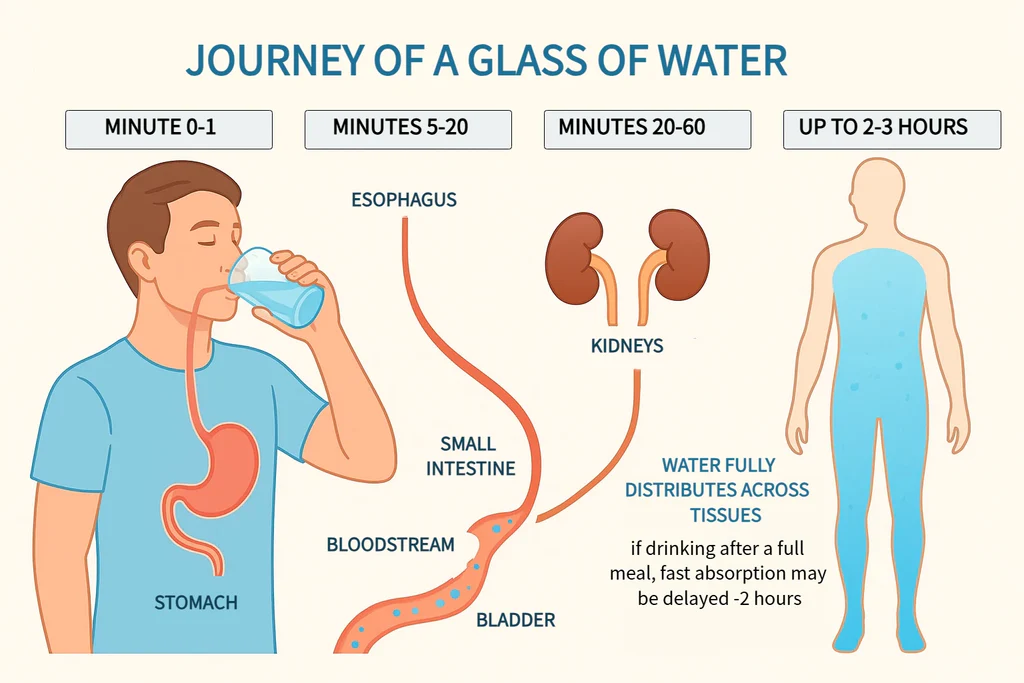
Water supports nearly every stage of digestion. It helps soften food, supports movement through the digestive tract, and assists the body in absorbing nutrients.
When hydration is steady, digestion tends to feel more predictable. When hydration is inconsistent, digestion may feel sluggish, heavy, or irregular—not because something is “wrong,” but because the system lacks support.
This is not about drinking more water at once. It’s about maintaining enough hydration throughout the day so digestion can do its job without strain.
Hydration needs can also shift depending on factors like stress levels, dietary patterns, and age, which can subtly influence how digestion feels over time.
The Timing of Water Matters More Than People Think
Hydration habits around meals can influence how digestion feels afterward. Drinking small amounts before meals may help prepare the digestive system, while sipping gently during meals can support comfort.
On the other hand, large volumes of water consumed quickly—especially when digestion is already active—may leave some people feeling bloated or uncomfortable. This isn’t a universal rule, but it’s a common experience worth noticing.
Some hydration habits feel helpful on paper but may not feel supportive in practice, especially when water is consumed at times that don’t align well with digestion.
Listening to how your body responds is often more helpful than following rigid rules.
Hydration Supports Movement Through the Digestive Tract
Digestive comfort depends on movement. Water helps support this natural flow by keeping contents soft and easier to move along.
When hydration falls short, digestion may feel slow or incomplete. This doesn’t always show up immediately—it can build gradually over time. Consistent hydration supports regularity without forcing the body.
Gentle consistency tends to work better than reactive habits.
Why “Chugging” Water Can Backfire
Drinking large amounts of water all at once—especially late in the day or immediately after meals—can sometimes feel uncomfortable. Some people notice fullness, pressure, or a sense of heaviness afterward.
This doesn’t mean water is the problem. It usually means the pattern is off. Spreading water intake across the day often supports digestion more smoothly than sudden large intakes.
Hydration works best when it’s steady and supportive, not rushed.
Digestion Feels Better When Hydration Is Boring and Regular
The body responds well to predictability. Small sips throughout the day, adjusted for activity and environment, often feel better than dramatic intake swings.
This kind of hydration doesn’t draw attention to itself—and that’s usually a good sign. When digestion feels calmer, hydration habits are often quietly doing their job in the background.
Daily routines, movement, and even small lifestyle patterns can quietly influence hydration consistency more than most people realize.
Paying Attention Without Overcorrecting
If digestion feels off, it’s tempting to immediately change everything. A gentler approach is to observe patterns first:
- Do digestive symptoms show up after long gaps without water?
- Do they follow large, rushed drinks?
- Do they improve with smaller, steady intake?
Hydration doesn’t need to be optimized overnight. Small, consistent adjustments often bring the clearest feedback.
Conclusion: Hydration as Digestive Support, Not a Fix
Hydration doesn’t “solve” digestion—but it supports it. When water intake is steady, timed thoughtfully, and spread across the day, digestion often feels easier and more predictable. Instead of chasing perfect hydration, aim for supportive hydration—habits that work with your body rather than interrupting it.