Hot weather and travel often disrupt normal hydration patterns — not because people forget to drink water, but because the body loses fluids differently under these conditions. Heat increases sweat loss, while travel environments like airplanes and long car rides reduce natural thirst signals.
Understanding how hydration needs shift during heat exposure and travel can help prevent fatigue, headaches, and sluggish recovery — without forcing constant water intake.
How Hot Weather Changes Hydration Needs
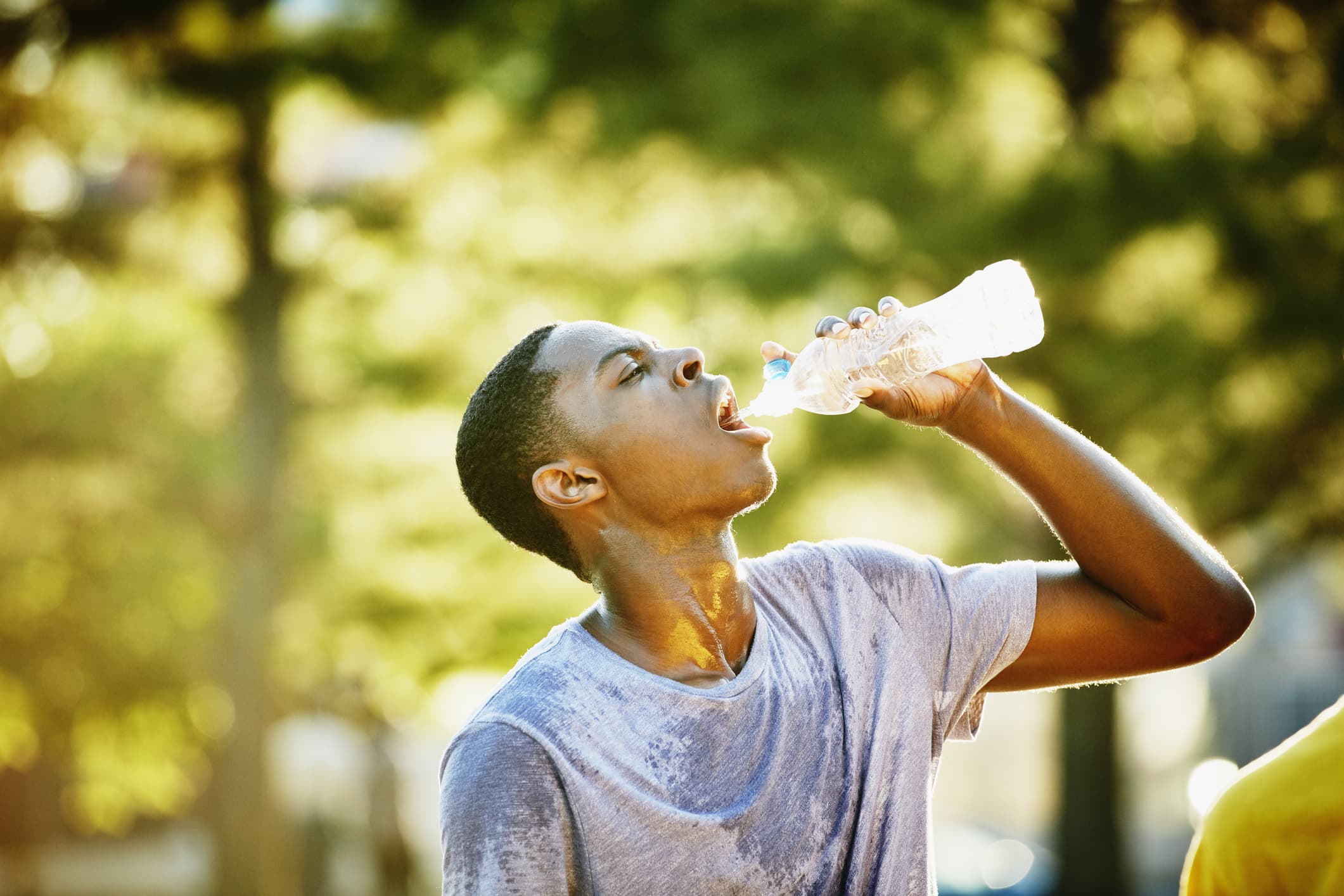
When temperatures rise, the body cools itself through sweating. This process increases fluid loss even when physical activity is minimal.
Common heat-related hydration challenges include:
- Increased sweat without noticeable thirst
- Faster fluid loss during outdoor exposure
- Higher electrolyte loss through perspiration
Hot weather highlights an important truth about hydration — drinking more water doesn’t always guarantee better hydration, especially when fluid loss increases.
In hot conditions, relying on thirst alone may not reflect actual hydration status.
Why Travel Increases Dehydration Risk
Travel introduces several hydration stressors at once:
- Dry cabin air during flights
- Long periods of sitting with limited access to fluids
- Disrupted routines and meal timing
- Increased caffeine or alcohol consumption
Even short trips can lead to mild dehydration, especially when combined with warm climates.
Travel disrupts many daily habits that quietly support hydration, often without people realizing it.
Signs Hydration Is Lagging During Heat or Travel
Hydration strain during these conditions often shows up subtly:
- Headaches or pressure behind the eyes
- Fatigue despite adequate sleep
- Dry mouth or lips
- Reduced concentration
- Darker urine than usual
These signs don’t always indicate severe dehydration — but they do signal the body is struggling to maintain balance.
Smarter Hydration Before, During, and After Exposure
Instead of drinking large amounts all at once, spacing intake around exposure works better.
Large, infrequent water intake isn’t always effective — spacing fluids around exposure often supports better hydration.
Before heat or travel
- Begin hydrated rather than “catching up” later
- Include fluids with meals
During exposure
- Sip consistently rather than waiting for thirst
- Pair fluids with light food when possible
After exposure
- Rehydrate gradually
- Support recovery with regular meals and fluids
Electrolytes: When They Matter More
In hot weather or extended travel, fluid loss includes minerals such as sodium and potassium. Replacing fluids alone may not fully restore balance.
Electrolytes can be helpful when:
- Sweating is prolonged
- Heat exposure lasts several hours
- Travel includes physical activity
This doesn’t require specialized products — balanced meals often support electrolyte replenishment naturally.
Hydration While Flying
Airplane cabins have very low humidity, which accelerates fluid loss.
Helpful practices include:
- Drinking small amounts regularly
- Limiting alcohol before and during flights
- Choosing water-rich foods when available
Hydration during flights is about consistency, not volume.
Travel Days vs. Regular Days
Travel days often involve:
- Longer waking hours
- More walking or standing
- Less predictable meals
On these days, hydration needs increase slightly — not dramatically, but enough to require more awareness.
Final Thoughts
Hot weather and travel place unique demands on the body. Hydration during these times works best when it’s intentional, steady, and supported by meals and rest — not forced or excessive.
Listening to early signals and adjusting gently helps maintain balance without stress.