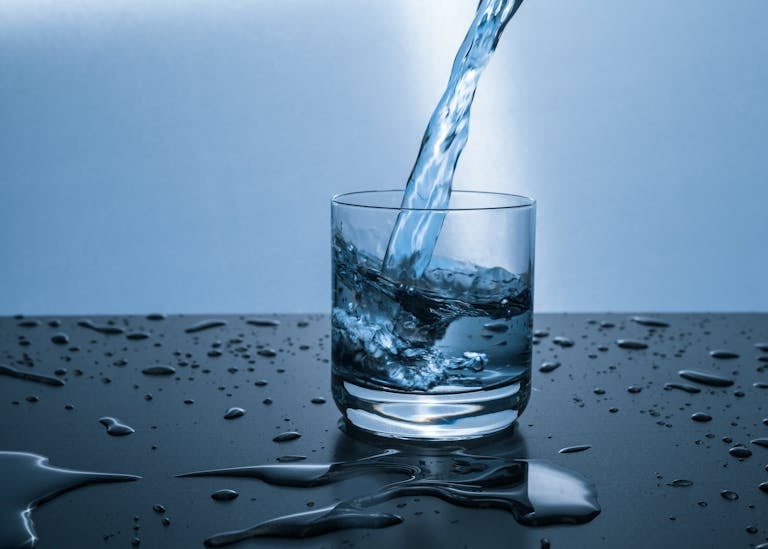

Hydration is often treated as a simple equation: drink more water, feel better. Yet many people continue to experience dehydration symptoms even when they make a consistent effort to stay hydrated.
The reason is that hydration is shaped by daily habits that are easy to overlook. Sleep, physical activity, environment, and routine choices all influence how the body uses and retains fluids. Understanding these quiet factors can help explain why hydration sometimes falls short despite good intentions.
How Sleep Affects Hydration
Sleep plays a larger role in hydration than many people realize.
During sleep, the body performs essential maintenance processes, including fluid regulation. Poor or inconsistent sleep can interfere with hormone balance, increase fluid loss, and reduce the body’s ability to manage hydration efficiently.
People who experience disrupted sleep may wake up feeling thirsty, fatigued, or foggy, even if they drank enough water the day before. Over time, inadequate sleep can contribute to ongoing hydration challenges that are not resolved by drinking more fluids alone.
Exercise and Physical Activity
Physical activity increases fluid loss through sweat and breathing, even during light or moderate movement.
Many people associate hydration needs only with intense workouts, but everyday activities such as walking, household chores, or prolonged standing can also affect fluid balance. When activity increases without corresponding adjustments to hydration, dehydration can develop gradually.
Hydration during activity works best when fluids are consumed consistently rather than in large amounts all at once.
Environmental Factors That Influence Hydration
Environment has a subtle but meaningful impact on hydration.
Dry indoor air, air conditioning, heating systems, and seasonal weather changes can all increase fluid loss. Cold environments may reduce thirst signals, while hot environments increase sweating and mineral loss.
People often underestimate environmental effects, especially when spending long hours indoors. Over time, these conditions can contribute to dehydration without obvious warning signs.
The Impact of Busy Routines
Busy schedules can interfere with hydration in practical ways.
Long stretches of focused work, meetings, travel, or caregiving responsibilities often delay drinking fluids. People may ignore early signs of dehydration or rely on caffeine to maintain energy instead.
When hydration becomes reactive rather than intentional, the body may struggle to maintain balance. Small lapses throughout the day can add up, even when total fluid intake seems reasonable.
Timing Matters More Than Volume
Hydration is influenced not only by how much water is consumed, but also by when it is consumed.
Drinking large amounts of water infrequently may overwhelm the body’s ability to absorb fluids efficiently. Spreading intake throughout the day often supports better absorption and retention.
Consistent timing helps the body maintain fluid balance more effectively than sporadic intake patterns.
Why Daily Habits Add Up Over Time
No single habit determines hydration status on its own. Instead, hydration reflects the combined effect of sleep, activity, environment, diet, and routine choices.
When these factors work together, hydration is easier to maintain. When they work against each other, dehydration can persist even with regular water intake.
Recognizing patterns rather than focusing on isolated habits allows for more sustainable adjustments.
Supporting Hydration Through Awareness
Improving hydration does not require drastic changes. Awareness is often the most effective starting point.
Noticing how energy levels fluctuate, how often thirst appears, or how the body responds to daily routines can provide valuable insight. Small shifts, such as adjusting fluid timing or responding earlier to physical cues, can support hydration more effectively than increasing volume alone.
For some individuals, daily habits create higher hydration demands that may require additional support beyond plain water.
Conclusion
Hydration is shaped by everyday habits that often go unnoticed. Sleep quality, physical activity, environment, and routine choices all influence how the body manages fluids.
Understanding these factors helps explain why hydration needs vary from day to day. By paying attention to daily patterns and responding thoughtfully, hydration can become more consistent and supportive of overall well-being.