
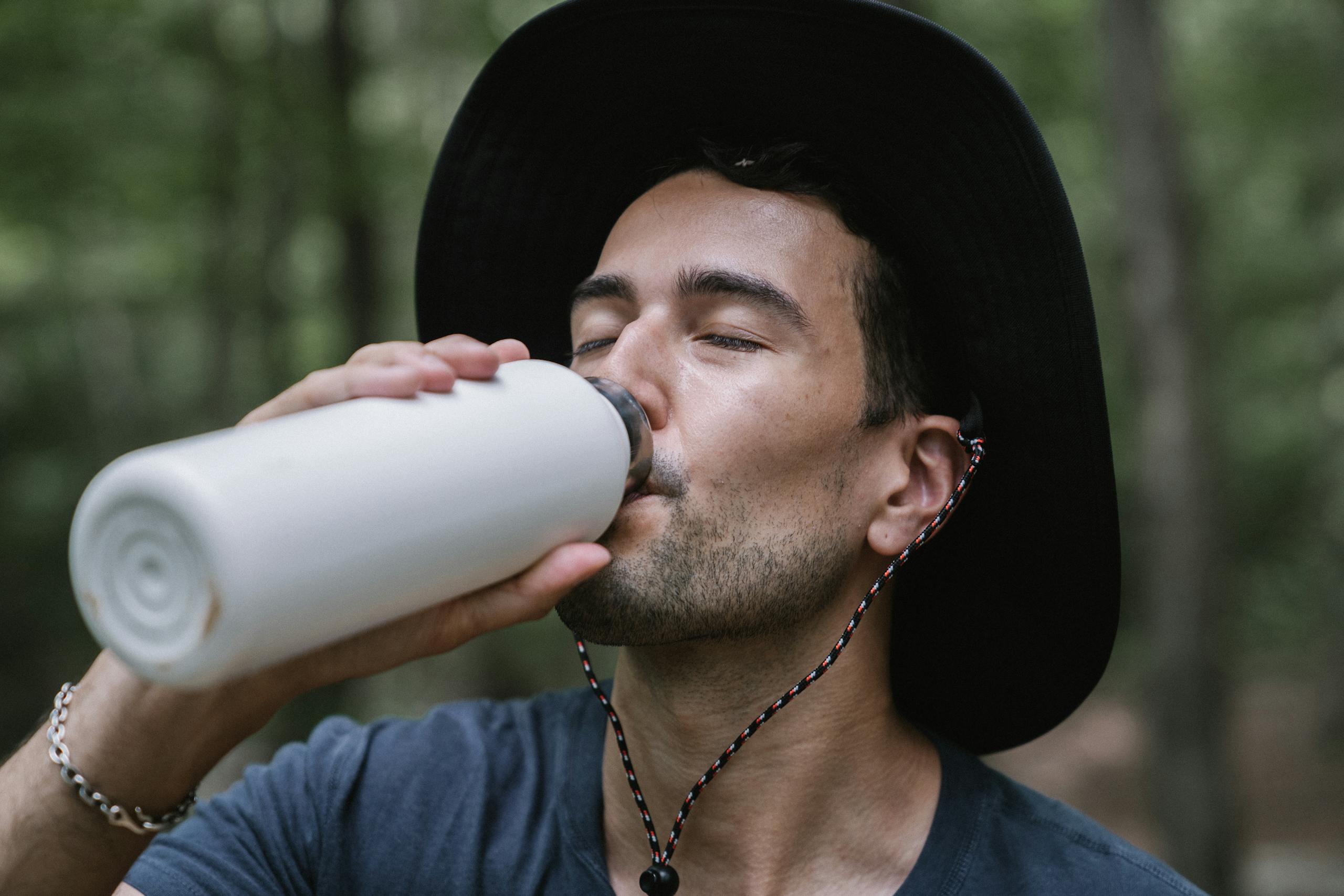
Many people assume hydration is only about how much water they drink. Yet even with consistent intake, hydration can still fall short. This is often because factors like age, stress, and diet quietly influence how the body absorbs and uses fluids.
Understanding these influences can help explain why hydration needs change over time—and why simple adjustments often matter more than drinking more water.
How Age Changes the Body’s Hydration Needs
As the body ages, several natural changes affect hydration.
The sensation of thirst tends to become weaker over time, meaning dehydration can develop without strong warning signals. Kidney function may also change with age, affecting how efficiently fluids and electrolytes are regulated.
In addition, older adults often experience shifts in muscle mass and body water composition, which can reduce overall fluid reserves. Medications commonly used later in life may further influence fluid balance.
Because of these changes, relying on thirst alone may not provide enough guidance. Consistent, mindful hydration becomes more important with age.
The Role Stress Plays in Hydration
Stress places a real physiological demand on the body. When stress levels rise, the body releases hormones that influence fluid balance and mineral usage.
Chronic stress can increase fluid loss, affect digestion, and alter electrolyte needs. It may also reduce awareness of hydration cues, especially during busy or demanding periods.
People under prolonged stress may notice symptoms such as fatigue, headaches, or difficulty concentrating—even when water intake appears adequate. Supporting hydration during stressful times often requires more than simply increasing fluid volume.
How Diet Influences Hydration Effectiveness
Diet plays a major role in how the body manages fluids.
High-fiber diets, while beneficial for digestion, increase water requirements. Protein intake, sodium levels, and overall food timing also influence hydration needs.
Highly processed foods may contribute to dehydration by increasing fluid demands without providing meaningful mineral support. On the other hand, overly restrictive diets—especially those very low in sodium—may unintentionally reduce the body’s ability to retain fluids.
Whole foods support hydration, but they do not automatically ensure proper fluid balance. Hydration works best when fluid intake and dietary choices complement each other.
Why Drinking More Water Isn’t Always the Solution
When hydration feels off, the natural response is to drink more water. However, increasing intake alone does not always resolve the issue.
If fluids are not being absorbed effectively or retained within cells, excess water may simply pass through the body. This can leave people feeling persistently thirsty or fatigued despite frequent drinking.
Hydration is most effective when water intake aligns with the body’s changing needs—especially during periods of stress, dietary shifts, or aging.
Supporting Hydration Through Daily Awareness
Rather than focusing on rigid hydration rules, a more sustainable approach involves awareness and consistency.
Spacing fluids throughout the day, consuming water alongside meals, and paying attention to physical cues can help support hydration more effectively. Noticing patterns—such as energy dips, digestion changes, or frequent thirst—often provides useful insight.
Hydration needs are not static. They shift with lifestyle, environment, and health status.
When Hydration Needs Extra Support
For some people, hydration challenges persist even with regular water intake. In these cases, supporting hydration may involve addressing mineral balance rather than increasing volume alone.
Some individuals choose to explore options such as:
- Mineral-based hydration support
- Electrolyte formulations without added sugar
- Trace mineral additions to daily water
These approaches aim to help the body retain and use fluids more efficiently, particularly during periods of higher demand.
Conclusion
Hydration is influenced by more than just water intake. Age, stress, and diet all shape how the body absorbs, retains, and uses fluids.
Recognizing these factors allows for more thoughtful hydration habits—ones that adapt to real-life changes rather than relying on one-size-fits-all advice. Small, informed adjustments often support hydration more effectively than increasing intake alone.




One Comment
Comments are closed.